
24.06.2026
PCAIDE Conference 2026
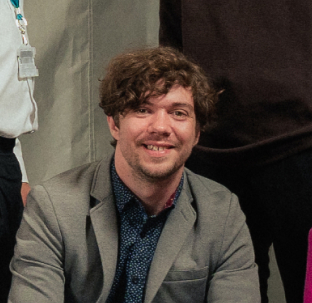
In June, PhD Researchers Sam Messiter and Nina Seron-Abouelfadil attended The Paris Conference on AI & Digital Ethics.
This conference offered an exceptional blend of diverse papers and talks surrounding the topic of AI/Digital ethics from various perspectives with subsequent implications for those interested in AI safety. The panels in particular offered informative insights from important figures placed directly within relevant industries. Some notable examples included Dr Mar Carpanelli (Head of AI and Skills research at LinkedIn), and Dr Golestan (Sally) Radwan (Chief Digital Officer at the United Nations Environment Program).
The majority of talks were extremely interesting. However, there is only space here to comment on a few. In relation to topics often discussed within SAINTS, some talks particularly stood out.
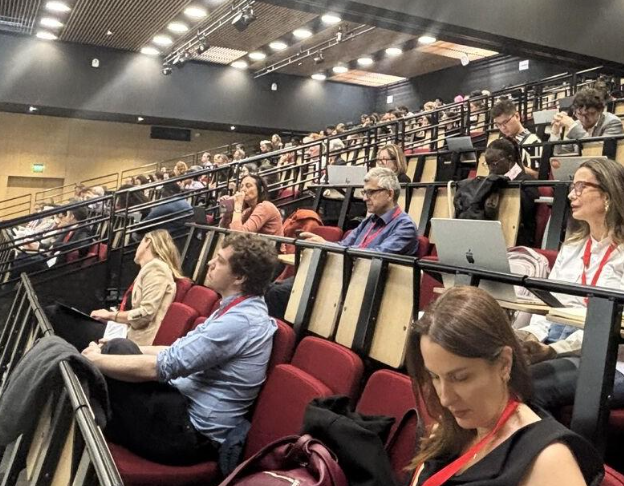
Firstly, a talk by Iris Coates McCall (Research Analyst at Neuroethics Canada) explored the problems and policy/regulation implications of setting a boundary definition of the meaning of ‘neurodata’. In a fashion similar to what we see when exploring the question of the appropriate definition of ‘harm’ (and within that ‘psychological harm’), for AI Safety, we see how a lack of conceptual agreement and clarity can lead to a fractured research space. This talk drew attention to the fact that data is created rather than purely and objectively discovered and can be affected by prior motives and intellectual assumptions. Essentially, our prior boundary definition of ‘neurodata’ will affect what data is counted to matter.
Furthermore, with relevance for safety assurance, this talk warned of how the act of defining the safety of an AI system in relation to a boundary of its intended use, while often useful, can also be abused so that companies avoid responsibility for their products when they fall out of what they designate as said intended boundary. Fundamentally, companies can unjustifiably seek to avoid taking responsibility for likely safety issues within the probable operating environment by setting an overly narrow boundary of intended use with an unrealistic ODD.
Within the panel ‘Implementing ethical standards in health organisation’s activities’ Prof Katrina Bramstedt (Global Head of Bioethics at Roche) warned of the need for an AI safety ‘seatbelt’ and suggested the need to develop a safety ‘checklist’ for practitioners within specific domains. This attitude showed striking similarity to the concerns sought to be addressed by safety assurance approaches delineated within patterns such as AMLAS, PRAISE, and The Big Argument. There may therefore exist a substantive opportunity for future collaborative work and exposure of the work provided by the University of York with Roche.

One key message echoed by the panel discussing AI sustainability was the need for AI frugality and avoidance of the temptation to give in to ‘AI hype’. When discussing what AI we should use to help within a particular task, the first question we should ask is whether or not the AI is in fact necessary. Secondly, we should seek to avoid overly complex data/energy intensive systems if this essentially overkill. In many cases companies are seeking novel AI solutions to problems where we already have sufficient existing algorithms to complete the needed tasks. In a manner similar to that expressed by Karen Hao within her Empire of AI, when considering the route we need to navigate using AI we should avoid hiring/inventing an AI limo when an AI bike would do the job sufficiently well.
Overall, I would highly recommend anyone working within the AI Safety/Ethics space to attend this conference which has been thought provoking, informative, and a great networking opportunity.