

25.11.2026
Why Real-World Experience Matters in AI Safety: Sophie’s Path to SAINTS
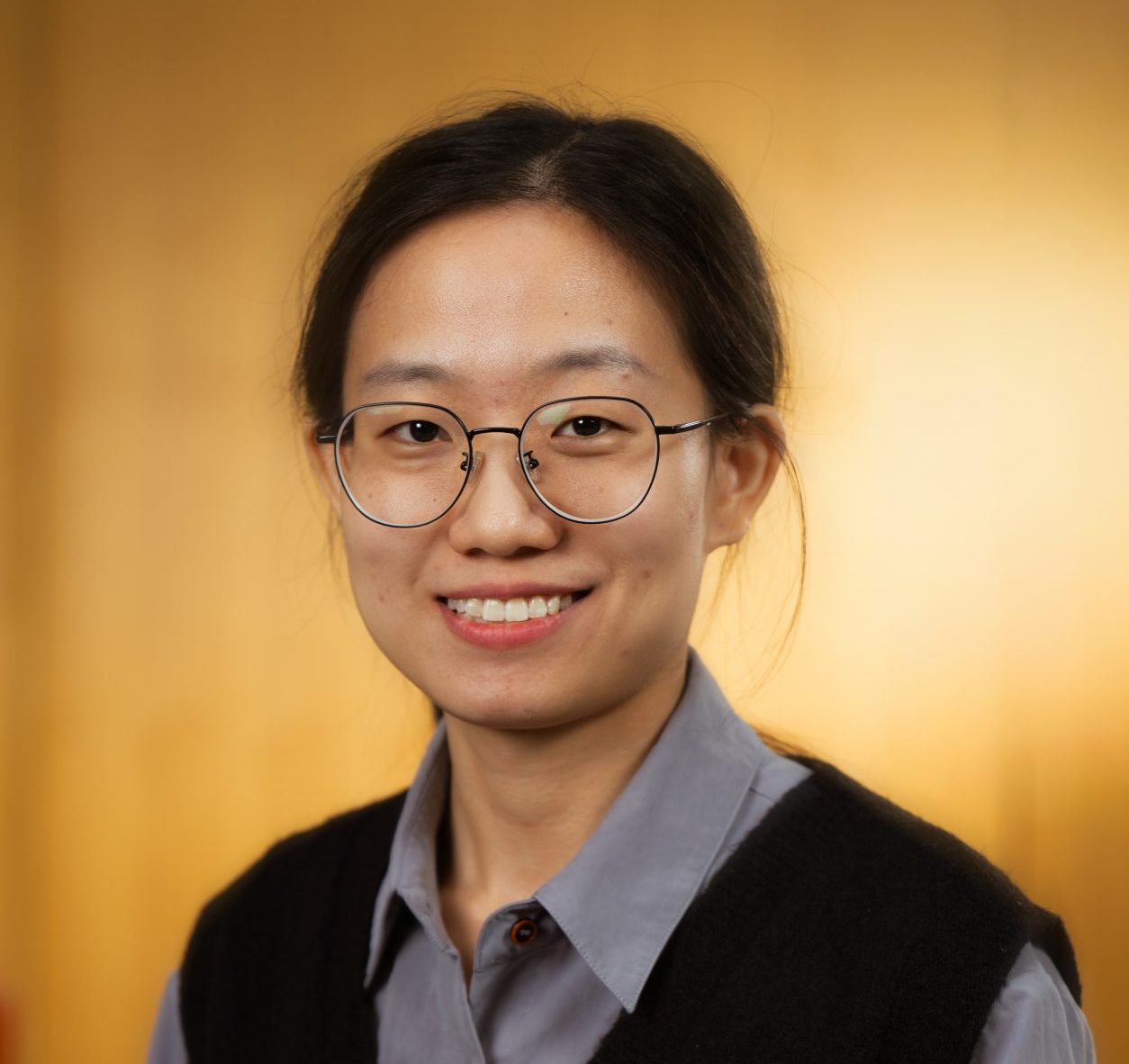
Sophie Han is now in the second year of her PhD, researching how robots can safely help people with dressing, particularly older people and people with disabilities.
“Before I applied to SAINTS, I wasn’t sure my background would count. I finished my Master’s degree in 2020, then worked as a teacher. My background wasn’t really aligned with AI, I hadn’t taken any classes in AI, but I really wanted to work on AI safety and for years I had been reading research papers and thinking deeply about these things. I knew I had the passion and the capability but I wasn’t sure if people would give me a chance as I didn’t have a traditional route into academia.
“I applied to the programme because it seemed very welcoming to people from very different backgrounds. Some programmes feel very exclusive and very focused on your recent academic experience, but SAINTS seemed more interested in my passion and the work that I wanted to do. That was the same throughout the recruitment process. In the interview, the focus was on my research proposal and research interests, rather than just my academic history.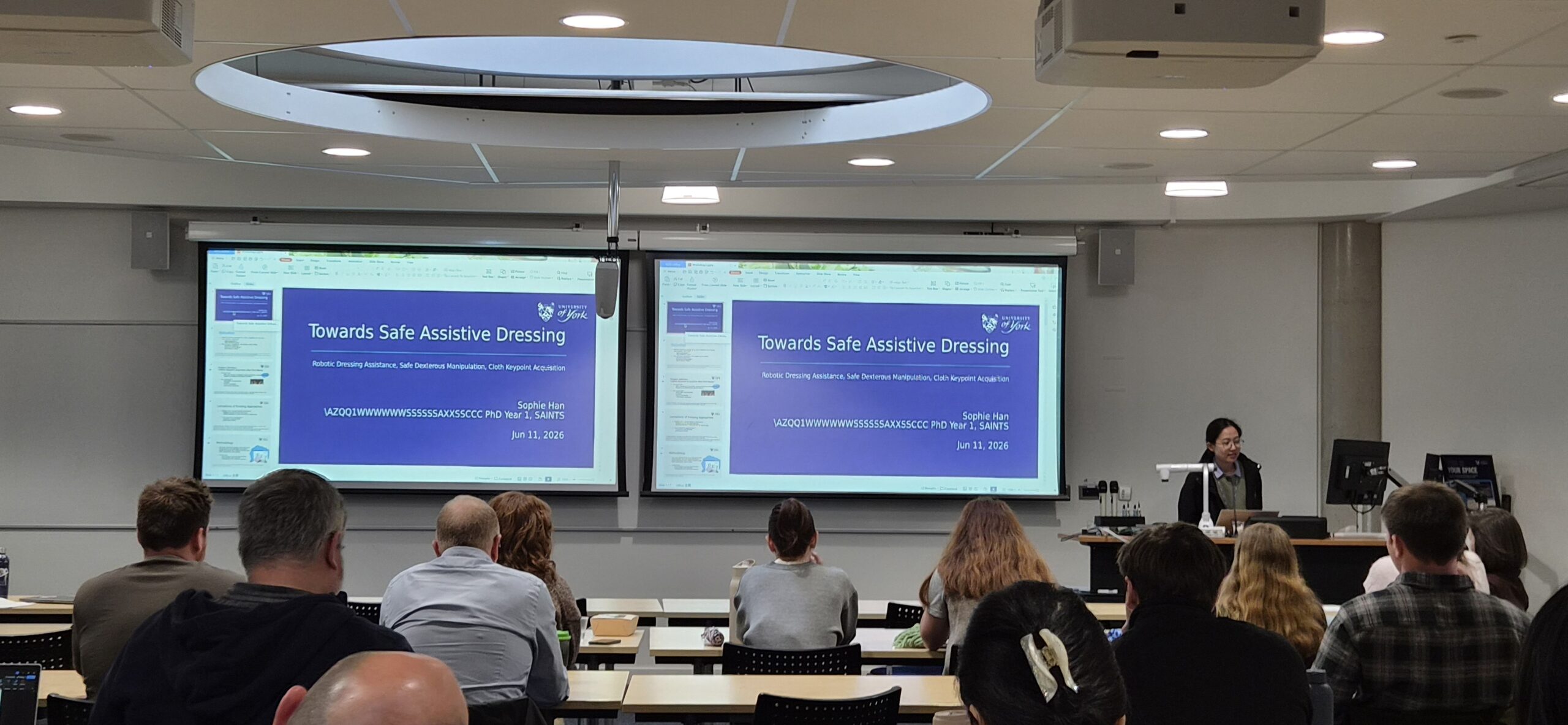
“And I think my work experience has been very valuable. I’ve spent time living in the world, observing people, making connections with people. I think If I had gone straight from my Master’s, I might not even have picked the research I’m working on now, because it’s very difficult. I didn’t have the time or the courage to take it on.
“Diversity is very important when we’re researching AI safety. Each of us can spot risks from very different angles. My background is constrained, I come with a particular perspective, but it’s like a jigsaw, and when you put the pieces together, you end up with the whole picture, and you’re better able to reduce the risks, that’s how safety research needs to work.”